Cell Aging vs. PACK Aging: What’s the Difference Between These Two Aging Tests?
In the battery manufacturing process, aging testing is a critical step to ensure product quality and safety. However, when customers learn about battery production, a common question often arises:
What is the difference between cell aging and PACK aging? Are both really necessary?
In fact, cell aging and PACK aging focus on different aspects. They verify battery performance and safety from two levels—the individual cell and the integrated system. Both are indispensable.
I. What Is Cell Aging Testing?
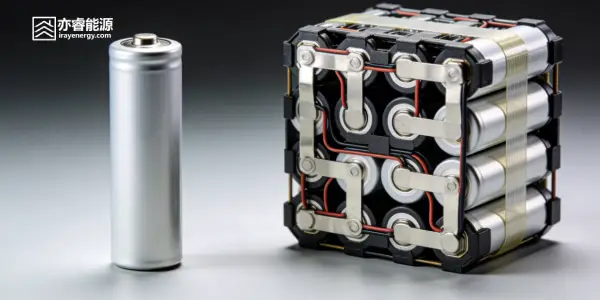
Cell aging refers to the aging test performed on individual cells after electrolyte filling, sealing, and initial inspections are completed. At this stage, cells are typically subjected to constant current–constant voltage (CC–CV) charge/discharge or low-rate cycling, allowing them to operate under controlled conditions for a certain period.
The core purposes of cell aging are as follows:
1. Screening out cells with hidden defects
During cell manufacturing, defects such as electrode burrs, micro short circuits, insufficient electrolyte, or poor sealing may occur. These issues are often difficult to detect in initial inspections but can manifest during aging as abnormal capacity, increased internal resistance, or temperature anomalies, allowing defective cells to be identified and removed in advance.
2. Stabilizing electrochemical performance
New cells gradually form the SEI (Solid Electrolyte Interphase) film during the initial charge–discharge cycles. Cell aging promotes the formation of a more uniform and dense SEI layer, helping stabilize capacity, voltage plateau, and internal resistance, and improving overall product consistency.
3. Providing reliable data for cell matching in later stages
After aging, parameters such as capacity and internal resistance become more accurate and reliable, providing a solid data foundation for precise grading and matching during the PACK assembly stage.
II. What Is PACK Aging Testing?
PACK aging refers to the aging test conducted after multiple cells are assembled together with the BMS, mechanical structure, and electrical connections into a complete battery pack. At this stage, the focus shifts from individual cells to the overall battery system.
PACK aging mainly verifies the following aspects:
1. System-level performance stability
Through charge and discharge tests, PACK aging evaluates the battery pack’s capacity output, power performance, and consistency within the operating voltage range, ensuring stable operation under real-world conditions.
2. Reliability of BMS functions
PACK aging checks whether the BMS provides accurate and timely protection under overcharge, over-discharge, overcurrent, and short-circuit conditions, preventing potential safety risks caused by protection failures.
3. Structural and connection reliability
Through continuous operation, PACK aging evaluates the reliability of weld points, nickel strips, connectors, and wiring harnesses under thermal cycling and current stress, helping to prevent poor contacts or localized overheating.
III. Core Differences Between Cell Aging and PACK Aging
From a fundamental perspective:
Cell aging determines whether an individual cell is qualified.
PACK aging determines whether the entire battery system is reliable.
More specifically:
Cell aging focuses on electrochemical performance and consistency.
PACK aging focuses on system safety, functional integrity, and structural reliability.
Although they operate at different levels, the two processes are closely related. Without sufficient cell aging, risks during PACK aging increase significantly. Conversely, without PACK aging, even well-qualified cells may encounter issues after system integration.
IV. Why High-Quality Batteries Require “Dual Aging”?
In real-world applications, batteries often operate under complex and demanding conditions. By implementing both cell aging and PACK aging, potential risks can be minimized before shipment. This dual verification approach not only improves long-term stability but also significantly reduces safety risks during end use.
For applications that demand high reliability and consistency, dual aging testing has become a widely recognized industry standard for quality assurance.
Conclusion
Cell aging and PACK aging are not redundant processes. Instead, they are essential verification steps that evaluate lithium batteries from different levels. Only batteries that undergo a complete aging process can withstand long-term use in terms of performance, safety, and reliability. This is the fundamental reason why irayenergy battery consistently adhere to dual aging testing.